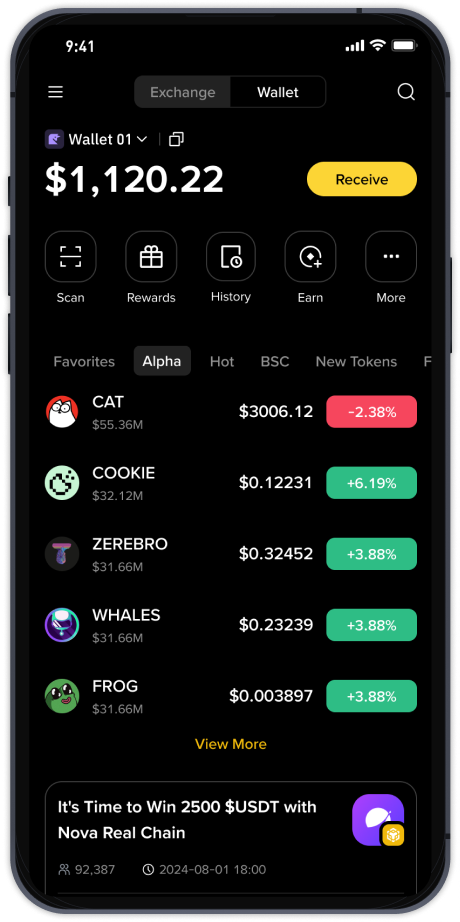
A Complete Guide to Huobi, Binance & Top 3 Exchanges: Step-by-Step Setup & Trading Operations

When entering the cryptocurrency market, understanding how to operate on major exchanges like Huobi, Binance, and the third leading platform (often Okx or KuCoin depending on regional availability) is essential. These three exchanges dominate global trading volumes, but each requires a distinct operational workflow. This guide breaks down the core steps for registration, deposit, spot trading, and withdrawal across these platforms, focusing on practical execution.
First, account creation and security configuration are identical in principle but vary in interface. On Binance, you begin by visiting the official website or downloading the app. Click “Register” and use your email or phone number. The platform will ask for identity verification (KYC) for higher withdrawal limits. Huobi follows a similar path: after registration, you must complete identity verification under “Account” settings. The third exchange, typically Okx, requires email verification and then a mandatory face-recognition step for Level 1 verification. All three exchanges strongly recommend enabling Two-Factor Authentication (2FA) via Google Authenticator or SMS. This is non-negotiable for secure operations.
The next operational phase is depositing funds. While Binance supports direct fiat-to-crypto purchases via credit card, P2P trading, and third-party payment providers, the most common method remains depositing USDT from an external wallet. On Binance, navigate to “Wallet” > “Fiat and Spot” > “Deposit” and select USDT (TRC-20 network is fastest and cheapest). Copy the deposit address. On Huobi, go to “Assets” > “Deposit” and choose the same token and network. The third exchange’s process mirrors this: locate “Assets” > “Deposit” and match the network exactly. A critical operational error is sending funds on the wrong network (e.g., sending ERC-20 to a TRC-20 address). Always double-check the network selection before confirming any transfer. The deposit may take 1-5 minutes to confirm on the blockchain.
Executing a spot trade is where the three exchanges share the most similarity. After funds are credited, you will enter the “Spot” trading interface. On Binance, the default view shows a candlestick chart at the top and order entry below. Choose a trading pair (e.g., BTC/USDT). For a market order (immediate execution), select “Market,” enter the amount of USDT you want to spend, and click “Buy BTC.” A limit order allows you to set a specific price. Huobi’s “Exchange” module works identically: select the pair, choose “Market” or “Limit,” input the quantity, and hit the “Buy” or “Sell” button. The third exchange (Okx) positions its “Trade” button on the left sidebar; the order entry logic is identical. The key difference is liquidity. For large orders, Binance typically offers the best order book depth, meaning your order will fill closer to the expected price. Huobi and Okx may have slightly wider spreads on less popular pairs.
Withdrawal operations require strict attention. On Binance, go to “Wallet” > “Fiat and Spot” > “Withdraw.” Select the token, paste the recipient address, and choose the correct network (e.g., BSC, TRC-20, ERC-20). The platform will show a withdrawal fee and a minimum amount. Huobi requires you to add the address to a whitelist for 24 hours before withdrawal if it is a new address. Okx uses a similar address management system. All three exchanges will send a confirmation email or SMS. You must enter the 2FA code to finalize. Never copy an address from a saved text file without verifying each character; a clipboard malware attack can replace your address.
Finally, understanding the specific features of each exchange optimizes your operational efficiency. Binance offers “Convert” for simple swaps without order books and “Grid Trading” for automation. Huobi provides “Crypto Loans” and a strong “OTC” desk for peer-to-peer trading. Okx is known for its “Unified Account” which combines spot and futures margin. For daily spot trading, operational steps across all three are nearly identical once the account is funded. The primary differences lie in fee structures (using native tokens like BNB, HT, or OKB reduces fees), withdrawal processing times, and the user interface layout. By mastering these core deposit, trade, and withdrawal operations on any one platform, you can easily adapt to the other two with only minor adjustments to menu navigation.