NFT Coin Listing on Binance: Key Dates, Trading Guide & How to Use the Exchange
The cryptocurrency community is constantly on the lookout for the next major listing, and the question "When will NFT coin be listed on Binance?" is one of the most frequently asked queries. For traders and collectors, getting a token listed on the world’s largest exchange by volume is a significant milestone that often leads to increased liquidity and price discovery. While specific dates for new listings are rarely confirmed far in advance, Binance has a structured process for evaluating and listing promising projects. Typically, announcements are made via Binance’s official "New Coin Listing" page and their social media channels, often just 24 to 48 hours before trading begins. To stay ahead, users should monitor the Binance Research portal and the "Launchpool" section, where new tokens are sometimes distributed before a standard spot listing.
Understanding how to use Binance to trade a newly listed NFT coin is equally important. The process begins with account verification. New users must complete the standard Know Your Customer (KYC) process to unlock full trading capabilities. Once your account is set up, you need to fund it. Binance allows deposits of fiat currency (like USD, EUR) via bank transfer or credit card, as well as deposits of other cryptocurrencies from external wallets. If you already hold crypto, navigate to "Wallet" → "Deposit," select the appropriate blockchain network, and send your funds. For absolute beginners, using the "Buy Crypto" feature with a credit card is the most straightforward method.
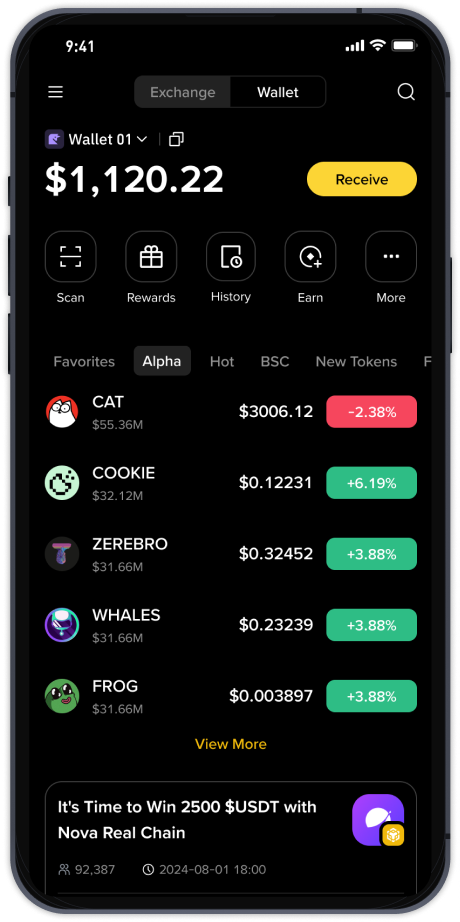
When the NFT coin goes live, you will find it under the "Markets" or "Spot" trading section. You can search for the specific trading pair, such as NFT/USDT or NFT/BUSD. The Binance interface offers two main order types: "Market Order" (buy or sell instantly at the current market price) and "Limit Order" (set a specific price you want to buy or sell at, which may take time to fill). For a highly volatile new listing, many traders use a limit order to avoid unexpected slippage. After purchase, your NFT coin balance will appear in your "Spot Wallet." From there, you can either hold it for potential appreciation, trade it for other assets, or withdraw it to a personal wallet if you plan to use it in a specific NFT ecosystem or for staking.
It is also critical to discuss security. Binance offers layers of protection including Two-Factor Authentication (2FA), withdrawal whitelists, and anti-phishing codes. When dealing with a new NFT coin, beware of fake airdrop links or impersonator accounts claiming to represent the project. Always double-check the contract address of the token on official sources, as scam tokens mimicking legitimate NFT projects occasionally appear. Additionally, research the project’s fundamentals—its utility, team, and tokenomics—before buying. A listing on Binance adds a layer of credibility, but it does not guarantee long-term value.
For those looking to maximize their experience, Binance also provides advanced tools like futures trading and margin trading for certain NFT coins, though these carry higher risk. Beginners are advised to start with the standard spot market and use the "Demo Trading" feature to practice. Finally, download the official Binance mobile app for real-time price alerts and seamless trading on the go. By combining careful research with the practical steps outlined above, you will be well-prepared to participate when the next major NFT coin finally goes live on Binance.